Varela
1952–1957
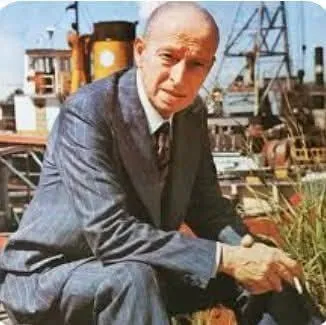
Héctor Varela
Héctor Varela (1914–1987), known as "El As del Tango" (The Ace of Tango), was born in Avellaneda, just south of Buenos Aires, and took up the bandoneón as a young man. He played in several orchestras during the 1930s, most notably serving as a bandoneónist in Juan D'Arienzo's ensemble during its peak years — an experience that deeply shaped his understanding of rhythm and commercial appeal. He formed his own orchestra in 1940, and while he recorded from the early 1940s, his greatest commercial success came in the 1950s, placing him at the tail end of the Golden Age and into the post-Golden period.
Varela's orchestral style is bright, energetic, and unapologetically commercial — a crowd-pleasing sound built on clear rhythms, prominent bandoneón passages, and arrangements designed to fill dance floors. His time in D'Arienzo's orchestra left its mark: the beat is always steady and prominent, the tempos lively, and the overall energy high. But where D'Arienzo's sound was nervously staccato, Varela's is smoother and more melodic, with greater emphasis on the vocal line and a slightly more modern, polished production quality that reflects the 1950s aesthetic. His vals recordings are particularly effective — bright, spinning, and joyful — and the orchestra's clean, accessible rhythm makes it easy to dance to at any level.
The orchestra's recorded output spans from the early 1940s through the 1970s, with the most important work concentrated in the late 1940s and 1950s. Argentino Ledesma was the primary vocalist and the voice most associated with the orchestra — his powerful, dramatic tenor brought intensity and passion to tangos like "Qué Tarde que Has Venido," with a commanding vocal presence that could dominate even Varela's energetic arrangements. Rodolfo Lesica provided a softer, more lyrical counterpoint, and the two singers frequently appeared together in harmonized duets — a format borrowed from De Angelis that gave the orchestra additional vocal texture. The later period brought Jorge Falcón and Fernando Soler, whose duet "Una Lagrimita" extended the dual-vocalist tradition into the 1970s. The instrumentals, mostly from the late 1940s through the 1960s, showcase the orchestra's crisp, driving ensemble sound.
At milongas today, Varela is a useful secondary orchestra that DJs deploy for energy and variety. His vals recordings are among his strongest assets — bright and danceable, they make excellent alternatives to the more frequently programmed waltz orchestras. The Ledesma vocal tangos bring dramatic flair, and the duets with Lesica offer something different from the standard single-vocalist format. Varela's music is accessible to dancers of all levels, and while he lacks the artistic depth of Troilo or Di Sarli, his consistent danceability and cheerful energy make him a welcome presence in any well-rounded DJ set. His extended career beyond the classic Golden Age also gives DJs access to a slightly different sonic character — useful for contrast and variety in longer milongas.
Top songs
- Fueron Tres Años
- Fumando Espero
- Y Todavía Te Quiero
- Qué Tarde que Has Venido
- Mi Dolor