Firpo
1927–1940
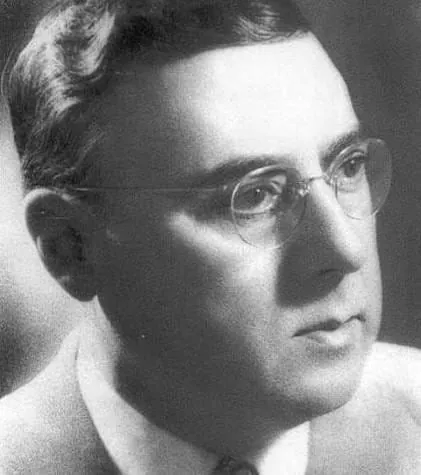
Roberto Firpo
Roberto Firpo (1884–1969) was born in Las Flores, a small city in Buenos Aires province, and is one of the true founding fathers of tango as a recorded, performed art form. A largely self-taught pianist, he moved to Buenos Aires as a teenager and immersed himself in the emerging tango scene of the early 1900s. Firpo is credited with one of the most consequential innovations in tango history: replacing the flute with the piano in the typical ensemble, establishing the bandoneón-piano-violin-bass instrumentation that would define the genre forever. His recordings from the 1910s are among the earliest tango records in existence, and he is widely credited with creating the arrangement of "La Cumparsita" that became the worldwide standard.
Firpo's musical style belongs to the Guardia Vieja — the "Old Guard" tradition of tango that preceded the Golden Age's sophisticated arrangements. His approach is direct, rhythmically clean, and piano-centered, with a straightforward simplicity that reflects tango's origins as popular street music rather than the art-music aspirations of later orchestras. The surviving recordings from the 1930s and 1940s are almost exclusively valses and milongas, where his simple, rhythmic style translates most naturally to the dance floor. His waltzes have a buoyant, charming quality, and the milongas carry an earthy, honest energy rooted in the music's popular origins.
Firpo's career was extraordinarily long — from the early 1910s through the late 1940s — though the recordings preserved for dancing come primarily from the 1930s and 1940s. The vast majority are instrumental, reflecting the Guardia Vieja tradition in which the orchestra itself was the star and vocalists were secondary. Carlos Lafuente, Roberto Díaz, and Carlos Varela each made brief vocal appearances, but these are isolated contributions within a fundamentally instrumental catalogue. The val recordings — graceful, rhythmically clear waltzes — and the milongas, with their earthy, honest energy, are the repertoire's real treasures. These recordings document how tango sounded in the hands of one of its creators, before the sophistication of the Golden Age transformed the genre.
At milongas today, Firpo is a niche choice — programmed occasionally by knowledgeable DJs who want to add historical depth or old-fashioned charm to their sets. His vals recordings are the most useful for programming, offering a rhythmically simple, pleasant alternative to the more complex Golden Age waltzes, and his milongas provide earthy variety. The early production quality and straightforward arrangements limit their appeal for dancers accustomed to the richer textures of Di Sarli or Troilo, but in the right context — a relaxed milonga, an afternoon event, or a set designed to showcase tango's history — Firpo's music has a genuine, unpretentious warmth. His historical importance as the man who put the piano into tango and gave "La Cumparsita" its definitive shape is immense, even if his dance-floor presence today is modest.
Top songs
- El Amanecer
- Didí
- Sábado Inglés
- Fuegos Artificiales
- Sentimiento Criollo