Di Sarli
1929–1958
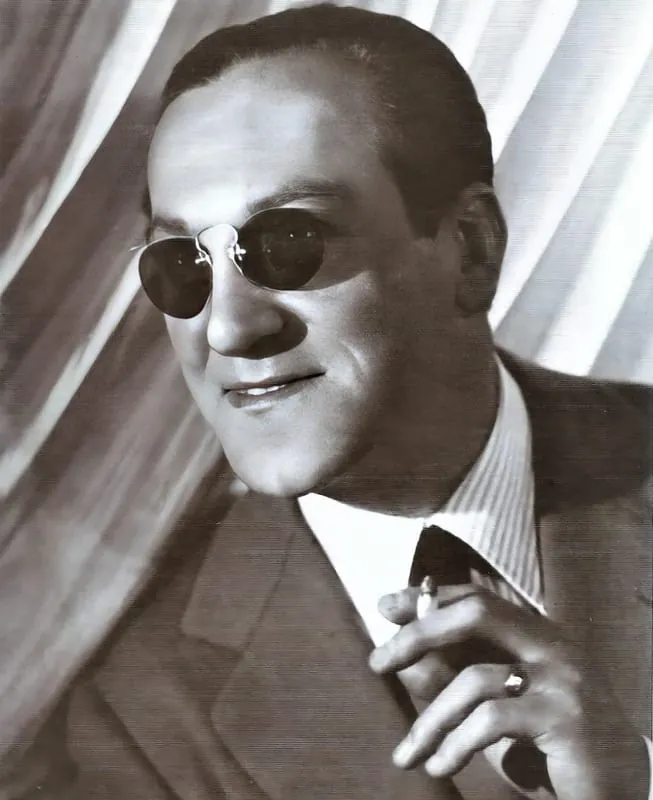
Carlos Di Sarli
Carlos Di Sarli (1903–1960), known as "El Señor del Tango" (The Lord of Tango), was born in Bahía Blanca into a musical Italian immigrant family. His older brother Domingo ran a music conservatory, his brother Nicolás became a celebrated baritone, and his younger brother Roque also became a pianist. Di Sarli began leading his own ensemble as a teenager and moved to Buenos Aires in 1923, where he played in several orchestras — including Osvaldo Fresedo's — before forming his own sextet in 1927, debuting at the legendary Café Guarany.
Di Sarli's orchestral style is instantly recognizable: clean, powerful, and deeply elegant. His piano playing anchored the arrangements with a distinctive rhythmic pulse — a steady, almost hypnotic marcato in the left hand — while the strings sang long, lush melodic lines above. Unlike the percussive staccato of D'Arienzo or the dramatic tension of Pugliese, Di Sarli's sound is smooth and flowing, making his music universally beloved by tango dancers of all levels. His arrangements balance simplicity and sophistication: the rhythm is always clear and present, but the phrasing is lyrical, with violins often carrying the emotional weight of the melody.
His career had two major periods. The first ran from 1927 to 1936, producing recordings that were already refined but leaner in instrumentation. After a hiatus, he reconstituted a larger orchestra in late 1938, launching the second and most celebrated phase of his career. The 1940s and early 1950s recordings — with singers Roberto Rufino, Alberto Podestá, Jorge Durán, Mario Pomar, and Oscar Serpa — are considered the pinnacle of his art. These recordings epitomize the Golden Age of tango: warm, danceable, and emotionally resonant.
At milongas today, Di Sarli is one of the most programmed orchestras worldwide. His instrumental tangos are prized for their rhythmic clarity and elegance, while his vocal tangos showcase some of the finest singer-orchestra partnerships in tango history. His music works beautifully for dancers at any level — beginners appreciate the steady, clear beat, while advanced dancers find endless nuance in the melodic phrasing and subtle dynamic shifts. Di Sarli composed over a dozen tangos himself, including "Milonguero viejo," "Bahía Blanca," and "Corazón." He recorded 27 albums, and his legacy as one of the three or four essential tango orchestras remains unchallenged.
Top songs
- La Pasao Pasó
- Maldita
- Nada
- Viviani
- Ensueños
- Indio Manso
- El Ciruja
- Todo
- Marianito
- La Vida Me Engañó
- Derrotado