Piazzolla
1946–1948
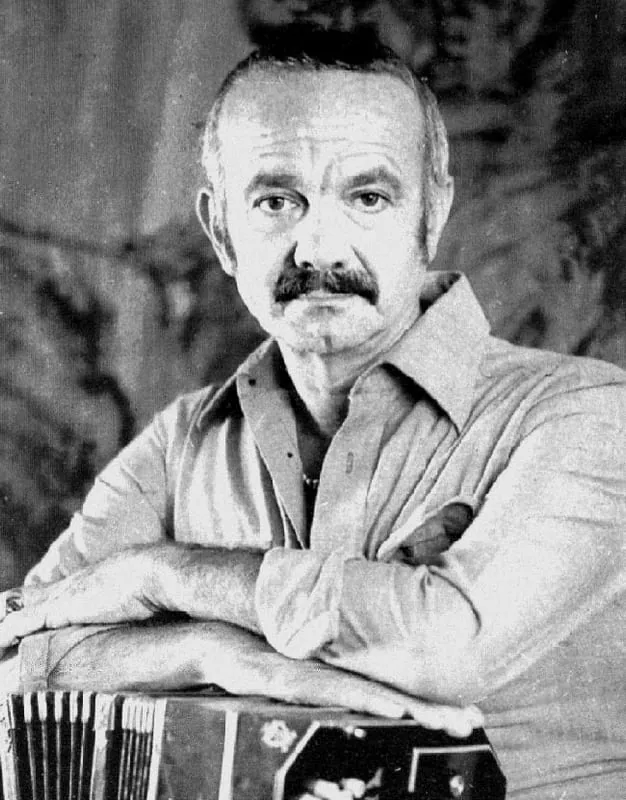
Astor Piazzolla
Astor Piazzolla (1921–1992) was born Astor Pantaleón Piazzolla in Mar del Plata, but his musical education began in New York City, where he grew up surrounded by the sounds of jazz and classical music alongside the tango records of Carlos Gardel. After returning to Argentina, he joined the celebrated orchestra of Aníbal Troilo in 1939, where his advanced and complex arrangements announced a new voice in tango. Feeling constrained by the traditional format, he left Troilo in 1944 and, after a brief stint leading an orchestra for singer Francisco Fiorentino, formed his own Orquesta Típica in 1946. This group, often called the '46 Orchestra, was his first major project as a leader and represented a crucial, dance-focused step before he would go on to revolutionize tango entirely.
The sound of Piazzolla's 1946 orchestra is a fascinating bridge between the Golden Age and the "nuevo tango" to come. For the dancer, the music is still clearly structured for the milonga, but with a restless, driving energy that sets it apart. The arrangements are dense with syncopation and counterpoint, a direct result of his classical studies with composer Alberto Ginastera. You can hear the beginnings of his experimental style in the dissonant harmonies and the demanding, virtuosic passages for the bandoneóns and violins. Compared to the smoother, more lyrical sound of Troilo, Piazzolla's orchestra has a sharper, more dramatic edge, creating a tension on the dance floor that is both challenging and exhilarating.
While this orchestra was primarily instrumental, showcasing Piazzolla's innovative compositions and arrangements, he did collaborate with several vocalists. This library features one of those partnerships with the singer Aldo Campoamor. On their 1947 recording of "Tiernamente," Campoamor's voice navigates the intricate and harmonically rich landscape laid out by the orchestra. The style is less about the singer being the central focus and more about the voice integrating as another complex texture within Piazzolla's forward-thinking musical vision.
At milongas today, Piazzolla's work from this 1946–1948 period is a bold choice for a DJ who wants to energize the room. It is music for experienced dancers who appreciate rhythmic complexity and drama. A tanda of this orchestra can lift the mood late in the evening, demanding attention and rewarding dancers with its power and intricate musicality. Tracks like the forceful "El Desbande" or the rhythmically intense "Villeguita" are go-to selections for a DJ looking to play something that is both historically significant and undeniably exciting on the dance floor.
Top songs
- El Desbande
- Se Armó
- Villeguita
- Tiernamente
- El Recodo