Donato
1932–1942
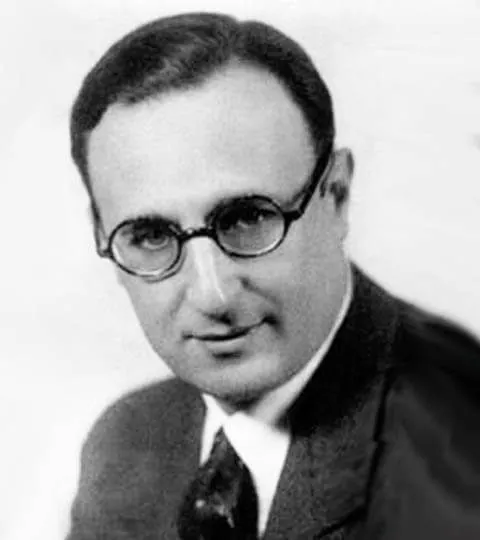
Edgardo Donato
Edgardo Donato (1897–1963) was born in Buenos Aires and trained as a violinist, developing a virtuosic technique that would later shape his orchestra's distinctive string-driven sound. After playing in various ensembles during the 1920s, he formed his own orchestra in the early 1930s and began recording for RCA Victor. Donato was also a prolific composer — his "A Media Luz" (1924), written before he formed his orchestra, became one of the most famous tangos of all time and remains an enduring standard, though ironically it is more associated with other orchestras' recordings than his own.
Donato's orchestral style is energetic, rhythmic, and infectiously joyful — a sparkling, propulsive sound that is among the most purely fun in all of tango. His violin-trained ear gave the orchestra a bright, animated string section, but the arrangements prioritize rhythmic drive and momentum over lyrical contemplation. Where Di Sarli's violins sing long, flowing melodies, Donato's violins dance and bounce; where Pugliese builds towering dramatic structures, Donato builds momentum and exhilaration. The milonga recordings are particularly outstanding — rhythmically infectious, spirited, and full of raw energy — and represent some of the finest milongas ever recorded. The overall character is extroverted, warm, and vibrantly alive, with a slightly rough-edged charm that reflects the popular, street-level roots of the music.
Donato's recording career concentrated in the decade from the early 1930s to 1942, but within that compact span the output was rich and remarkably consistent. The earliest recordings featured Francisco Gutiérrez, whose strong, direct voice drove early gems like "El Huracán." Horacio Lagos became the orchestra's defining vocalist from the mid-1930s onward, his energetic, slightly raspy delivery perfectly matching the ensemble's spirited character. Lagos's recordings are the heart of the Donato catalogue — passionate tangos like "Se Va La Vida," "El Adiós," "Sinsabor," "Carnaval de Mi Barrio," and "Lágrimas," plus unforgettable milongas like "Ella Es Así" and "Sacale Punta." In the later period, Lagos was frequently joined by secondary vocalists Romeo Gavioli and Lita Morales in duets and trios, adding vocal texture to pieces like "Sinfonía de Arrabal" and "Noches Correntinas." The instrumentals, including the classic milonga "El Torito," showcase the orchestra's raw rhythmic energy at its purest.
At milongas today, Donato is particularly treasured for milonga tandas — "Ella Es Así," "Sacale Punta," "El Torito," and "De Punta a Punta" are among the most exciting and beloved milongas in the entire repertoire, rivaling even Canaro's celebrated milonga recordings. DJs also program his vocal tangos for energetic, spirited moments, and his vals recordings like "La Tapera" and "Quién Será" add variety to waltz programming. Donato's music works beautifully for dancers who enjoy rhythmic energy and playful musicality — the clear beat and infectious momentum make his recordings accessible at all levels, while the expressive vocal performances reward musical sensitivity. Though less famous than the canonical Big Four, Donato is an orchestra that consistently delights dancers, and experienced DJs know that a well-placed Donato tanda can be one of the evening's highlights.
Top songs
- Sinsabor
- Soy Mendigo
- El Adiós
- Lágrimas
- Pasión Criolla