Malerba-Garcia
1941–1945
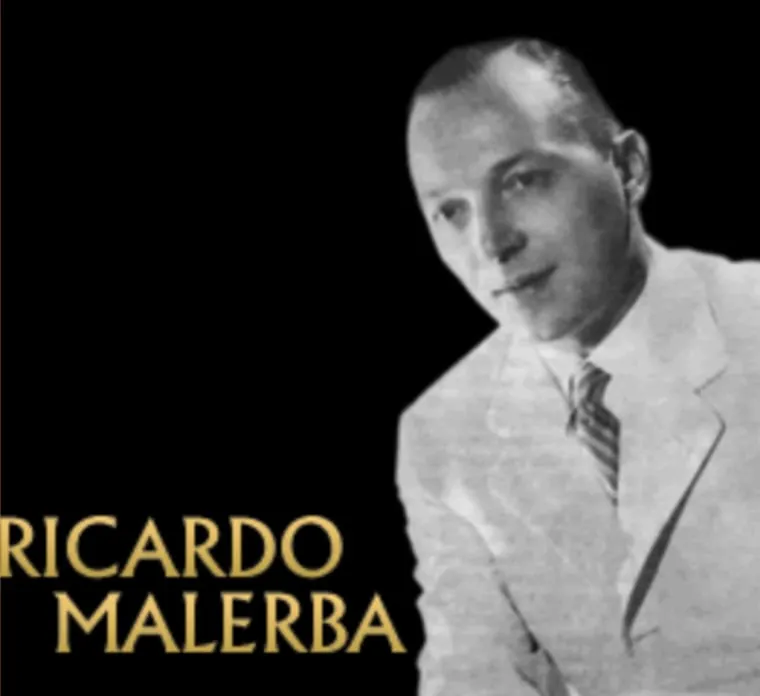
Ricardo Malerba
Ricardo Malerba (1906–1963) was born in Buenos Aires and studied the bandoneón, working as a sideman in various tango ensembles through the 1930s before forming his own orchestra in 1941. He began recording for the Odeon label, entering the crowded field of Golden Age orchestras with a modest but distinctive ensemble. His career as a leader was brief — just four years of recordings — but within that concentrated period he produced a body of work that, while small, contains genuine gems that have earned him a place in the dance repertoire.
Malerba's orchestral style is warm, melodic, and rhythmically clear — a quintessential mid-level Golden Age sound that prioritizes comfortable danceability over dramatic ambition or rhythmic fireworks. His arrangements are straightforward and well-balanced, with a gentle melodic sensibility that gives the music an approachable, intimate character. The sound is neither as driving as D'Arienzo nor as sophisticated as Troilo — it occupies a pleasant middle ground, with clean rhythms, tasteful bandoneón work, and arrangements that serve the vocalist generously. The overall character is warm and unassuming, closer in spirit to Enrique Rodríguez's popular accessibility or D'Agostino's friendly directness than to the heavier, more complex orchestras of the era.
The orchestra's entire recorded legacy falls within the years 1941 to 1945, making Malerba one of the most compact catalogues in the Golden Age. Orlando Medina was the defining and nearly exclusive vocalist — his warm, lyrical voice is the sound of this orchestra, gracing the vast majority of recordings with a smooth, emotionally sincere delivery that elevates the straightforward arrangements. Medina's finest moments — "Mariana" and "Embrujamiento" — achieve a genuine beauty through the combination of his natural vocal warmth and Malerba's tasteful, supportive arrangements. Antonio Maida contributed a handful of recordings in 1942, adding a second vocal color, and the instrumentals, though few, reveal the orchestra's clean ensemble playing and steady rhythmic foundation.
At milongas, Malerba is a deep-cut choice — not a staple of standard programming, but appreciated by DJs who value variety and want to introduce dancers to lesser-known Golden Age orchestras. The Orlando Medina recordings are the primary attraction, offering a warm, lyrical alternative to more frequently heard vocalists, and "Mariana" in particular is a genuinely lovely tango that can hold its own in any milonga setting. Malerba's clean, accessible rhythm makes his music welcoming for all dancer levels, and his brief, high-quality catalogue means a DJ can become familiar with the entire output quickly. For milongas that celebrate the full breadth of the Golden Age rather than cycling through the same dozen orchestras, Malerba offers a small but rewarding repertoire.
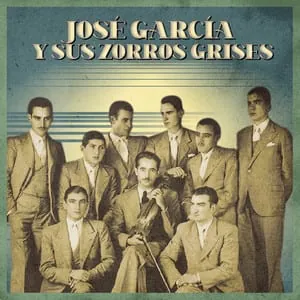
José García
José García (1908–2000) led the orchestra known as "José García y Sus Zorros Grises" (José García and His Grey Foxes), an ensemble active during the Golden Age of tango. Based in Buenos Aires, the orchestra recorded for the Odeon label from the late 1930s through the mid-1940s, producing a modest but consistent catalogue of dance music. García's ensemble was among the many working orchestras that filled Buenos Aires's dance halls and recording studios during tango's most prolific era — not a first-tier artistic force, but a reliable, professional ensemble that contributed to the genre's extraordinary richness.
García's orchestral style is light, pleasant, and dance-oriented — functional Golden Age arrangements designed to keep couples moving comfortably. The sound is clean and rhythmically steady, without the strong distinguishing characteristics that would make it instantly recognizable alongside a D'Arienzo or Di Sarli. The arrangements are competent and well-balanced, with a gentle, good-natured quality that makes the music easy to dance to if not particularly memorable. The genre distribution is relatively even across tangos, valses, and milongas, giving the catalogue useful versatility for a working dance orchestra of the era.
The orchestra's recordings span from the late 1930s through the late 1940s. Alfredo Rojas was the primary vocalist across virtually the entire catalogue, his consistent presence giving the ensemble whatever distinctive identity it possessed. Rojas sang in a warm, straightforward style suited to the orchestra's unassuming arrangements, and his best recording — "Junto a Tu Corazón" — achieves a genuine emotional warmth that transcends the ensemble's modest profile. Ricardo Ruiz contributed a pair of recordings during the mid-1940s. The small number of instrumentals show the orchestra's clean, professional ensemble playing without revealing a strongly individual orchestral personality.
At milongas today, José García is among the rarest orchestras in programming — known primarily to collectors and DJs with an encyclopedic interest in the Golden Age's deeper catalogue. His recordings lack the artistic distinction or famous vocal partnerships that keep lesser-known orchestras like Malerba or Demare in regular rotation, and the modest profile means most dancers will be unfamiliar with the music. However, for extended milongas or events that celebrate the breadth of Golden Age production, a García tanda can provide pleasant, danceable variety. "Junto a Tu Corazón" is the standout recording that best justifies the orchestra's presence in a comprehensive tango library.
Top songs
- Junto a Tu Corazón
- Embrujamiento
- Remembranza
- Tristeza Marina
- Esta Noche de Luna