Carabelli
1931–1934
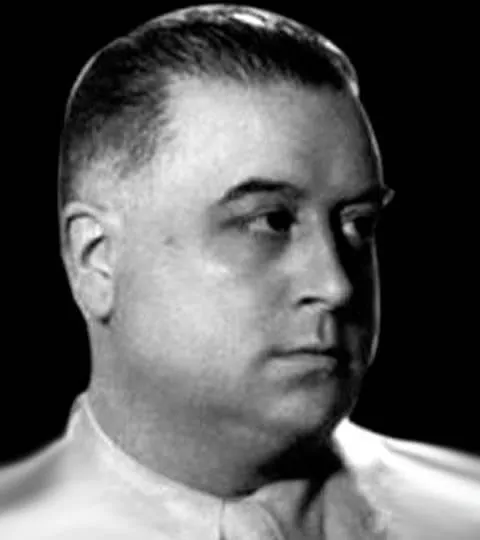
Adolfo Carabelli
Adolfo Carabelli (1893–1947) was born in Buenos Aires and trained as a pianist, becoming one of the most important studio musicians and musical directors of the early tango recording era. He is best known as the principal director of the Orquesta Típica Victor — the house orchestra of the RCA Victor label, Argentina's dominant record company — a position that gave him access to the finest musicians and recording technology available. He also recorded under his own name, and the recordings in the catalogue represent this parallel career as a bandleader, concentrated in the transitional period between the Guardia Vieja and the dawn of the Golden Age.
Carabelli's style reflects his era — a transitional sound that bridges the simpler Guardia Vieja tradition and the more sophisticated Golden Age orchestrations that would soon follow. His piano-centered arrangements are clean and professional, with steady rhythms and well-crafted ensemble work that reflects the studio discipline of a house-orchestra director rather than the distinctive artistic personality of a Di Sarli or D'Arienzo. The recordings have an honest, workmanlike quality — competent, danceable, and pleasant, if not as instantly recognizable as the signature orchestras of the following decade. The predominantly vocal repertoire distinguishes his catalogue from the more instrumental-heavy Típica Victor output, giving the recordings a warmer, more popular character.
Carabelli's recordings under his own name span from the late 1920s to the mid-1930s — a compact period that nonetheless featured a remarkable roster of vocalists. Carlos Lafuente and Alberto Gómez were the most prolific, each contributing substantially with their contrasting styles: Lafuente's clear, straightforward delivery and Gómez's more characterful, robust voice. The ensemble also attracted guest appearances from some of the era's greatest singing stars — Charlo, one of tango's first celebrity vocalists, and Mercedes Simone, the foremost female tango singer of her generation, both recorded with Carabelli during the early 1930s. Luis Díaz and a young Carlos Dante — who would later become half of De Angelis's famous vocal duo — also contributed recordings, making the Carabelli catalogue a fascinating snapshot of early tango vocal talent.
At milongas today, Carabelli is very rarely programmed — his recordings belong to an era before the Golden Age standards that dominate modern milonga playlists, and the early recording quality can be an obstacle for dancers accustomed to the warmer, fuller sound of 1940s orchestras. However, for DJs with a deep interest in tango history, the Carabelli recordings document an important transitional moment and feature performances by some of the greatest vocalists of the early era. Mercedes Simone and Charlo recordings in particular have historical cachet that knowledgeable audiences appreciate. Carabelli's greater legacy lies in his work with the Orquesta Típica Victor, where his direction shaped the sound of dozens of recordings that remain in the dance repertoire today.
Top songs
- Alma
- Felicia
- Pa' Que Lagrimear
- El Caburé
- Inspiración