Canaro
1926–1951
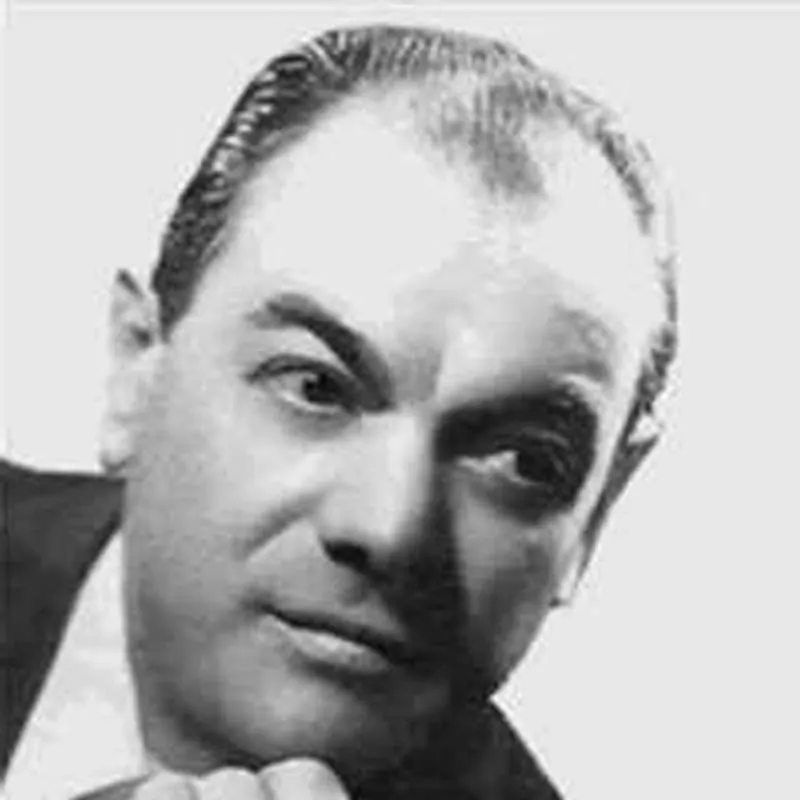
Francisco Canaro
Francisco Canaro (1888–1964) was born Francisco Canarozzo in San José de Mayo, Uruguay, and grew up in extreme poverty after his family emigrated to Buenos Aires. Entirely self-taught — his first violin was homemade, cobbled together from a tin can and wire — he rose from playing in the roughest waterfront cafés to become one of tango's most prolific and commercially successful orchestra leaders. He began recording in the mid-1910s and became an extraordinary entrepreneur who helped professionalize the entire genre, co-founding SADAIC (Argentina's performing rights society), touring internationally, and composing hundreds of tangos including enduring standards.
Canaro's orchestral style is straightforward, warm, and unpretentious. His arrangements favor a clear, simple rhythmic pulse — not as aggressive as D'Arienzo's driving staccato, but always steady and easy to follow, with a slightly old-fashioned charm that reflects his roots in the Guardia Vieja while firmly inhabiting the Golden Age. The orchestra's tone is genial and inviting, without the dramatic extremes of Pugliese or the lush elegance of Di Sarli. Where Canaro truly excels is in milongas and valses: his milongas are rhythmically infectious with a spirited, joyful energy, and his valses have a timeless, spinning grace that few orchestras can match.
With recordings spanning an extraordinary range from the mid-1920s through 1960, Canaro's career is among the longest in tango. The early period featured the great Charlo, one of tango's first star vocalists. The mid-1930s brought two of his most important partnerships: Roberto Maida, whose refined melodic voice suited the romantic tangos, producing classics like "Poema" and "Mano a Mano"; and Ernesto Famá, whose direct, popular style was perfectly matched to uptempo tangos and milongas, including the iconic "Milonga Sentimental." After these peak vocal years, the orchestra continued through the 1940s with Carlos Roldán and Eduardo Adrián, while the vast body of instrumental recordings — from early guardia vieja pieces through late classics like "Se Dice de Mí" and "Taquito Militar" — forms a cornerstone of the tango dance repertoire.
At milongas today, Canaro is essential programming — above all for milonga and vals tandas. His "Milonga Sentimental," "Milonga Brava," "Milonga Criolla," and "Milonga de Mis Amores" are among the most beloved milongas ever recorded, and no serious DJ's collection is complete without them. Canaro's reliable danceability and his unmatched milonga repertoire make him indispensable, and his clear rhythmic style is particularly welcoming for less experienced dancers while still satisfying veterans with its musicality and charm.
Top songs
- Tormenta
- El Adiós
- Todo Te Nombra
- Poema
- Mimosa