De Angelis
1943–1964
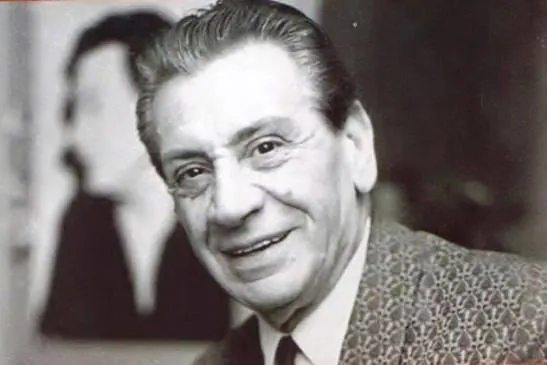
Alfredo De Angelis
Alfredo De Angelis (1912–1992) was born in Adrogué, in the southern suburbs of Buenos Aires province, and studied piano from childhood. After working as a sideman in various orchestras through the 1930s, he formed his own ensemble in 1941, with first recordings appearing in 1943 for the Odeon label. De Angelis quickly established a distinctive identity by pioneering the dual-vocalist format — pairing two complementary singers in alternating solos and harmonized duets — a concept that became his trademark and influenced numerous orchestras that followed.
De Angelis's orchestral style is bright, melodic, and emotionally warm, with a particular gift for waltz arrangements that are among the finest in all of tango. His arrangements are not as rhythmically intense as D'Arienzo or Biagi, nor as harmonically sophisticated as Troilo or Caló; instead, they occupy a sweet spot of accessible romanticism, with flowing string melodies, tasteful piano passages, and a steady, comfortable rhythm that invites relaxed, musical dancing. The signature sound is the interplay between his paired vocalists — voices harmonizing, trading phrases, and creating a vocal richness that no single-singer format can match. The overall character is warm, nostalgic, and gently sentimental, with a fondness for beautiful melodies delivered with genuine feeling.
The first important vocal partnership was brief: Floreal Ruiz recorded with the young orchestra in 1943–1944, contributing early gems like "Mi Novia de Ayer" before moving on to Troilo's ensemble. The defining era began when Carlos Dante and Julio Martel joined in 1944, forming the archetypal De Angelis vocal duo. Martel's clear, lyrical tenor was ideal for romantic tangos like "Imaginación" and "Jirón Porteño," while Dante brought warmth and sincerity to pieces like "Para Ti Madre" and "Qué Nadie Sepa Mi Sufrir." Together, their harmonized duets on "Pobre Flor," "Soñar y Nada Más," "Pregonera," and "Cien Guitarras" are signature De Angelis — two voices intertwining with an intimacy that gives the music its unique emotional resonance. After Dante and Martel's tenure ended around 1950, Oscar Larroca carried the vocal tradition through the mid-1950s with recordings like "Almagro," and Juan Carlos Godoy brought a fresh voice to the late-period recordings, including the popular "Angélica."
At milongas, De Angelis is particularly treasured for vals tandas — his waltz arrangements have a spinning, romantic quality that few orchestras can rival, and his extensive vals repertoire makes him one of the first orchestras any tango DJ must have in their collection. DJs also program his vocal tangos for warm, emotional moments, especially the Dante-Martel duets, which have a crowd-pleasing quality that reliably fills the floor. The instrumentals, including "El Otario," "El Pial," and "Pavadita," are excellent for purely musical tandas. De Angelis's accessible style makes his music welcoming for dancers of all levels, and his ability to create romantic atmosphere without demanding advanced musicality makes him an invaluable tool in any DJ's programming.
Top songs
- Jirón Porteño
- Pavadita
- Gloria
- Entre Tu Amor y Mi Amor
- Carillón de la Merced