Neo
2001–2018
Bajofondo
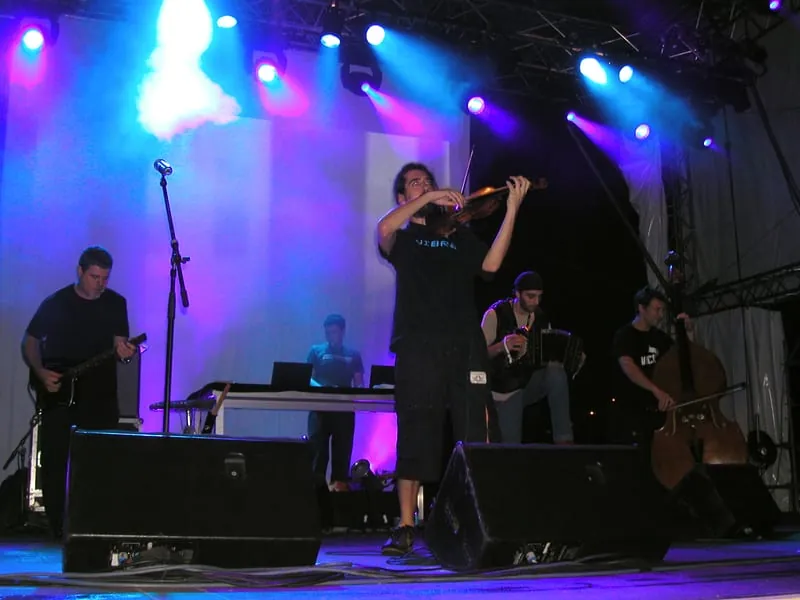
Bajofondo (founded 2002) is a collective of Argentine and Uruguayan musicians conceived by producers Gustavo Santaolalla and Juan Campodónico. Initially a studio project called Bajofondo Tango Club, the group evolved into an eight-piece band that tours globally. Santaolalla, an Oscar-winning film composer, and Campodónico, a pioneer in electronic music, aimed to create "contemporary music of the Río de la Plata," reflecting the modern sounds of Buenos Aires and Montevideo. While often labeled "electrotango," the group rejects the term as too narrow, pointing to their fusion of tango, milonga, and candombe with rock, hip-hop, and electronica.
A dancer first hears the fusion: the foundational pulse of electronic beats and samples laid down by Campodónico, immediately joined by the traditional tango instrumentation of Martín Ferrés on bandoneón and Javier Casalla on violin. Unlike the strict marcato of golden-age orchestras, Bajofondo builds grooves, often with a driving bassline from Gabriel Casacuberta and live drums by Adrián Sosa. The sound is layered and cinematic, with Luciano Supervielle adding piano, keyboards, and scratching. This approach creates a soundscape that is texturally complex and rhythmically grounded in contemporary club music, a clear departure from the acoustic interplay of orchestras like Pugliese or Troilo, while sharing a similarly expansive and dramatic spirit with the concert works of Astor Piazzolla.
The collective’s 2007 album, *Mar Dulce*, is a prime example of their collaborative ethos, featuring a wide array of international guest artists. This library's selections highlight this approach. The inimitable Gustavo Cerati, leader of the legendary rock band Soda Stereo, lends his voice to the hypnotic, atmospheric track "El Mareo." On "Hoy," the guest is Juan Subirá of the rock group Bersuit Vergarabat, who brings a different vocal texture to the ensemble's sound. These collaborations underscore Bajofondo's identity not as a fixed orchestra, but as a fluid project drawing from a wide pool of talent to explore the boundaries of River Plate music.
At milongas today, Bajofondo is a staple of the "tanda nuevo" or alternative music set, often programmed late in the evening when the mood shifts to more contemporary sounds. A DJ will reach for their music to energize the room and offer a different kind of connection, one rooted in a modern, global sensibility. The instrumental "Pa' Bailar," with its infectious rhythm and soaring bandoneón, is a floor-filler, inviting a more open and playful style of dance than traditional tango allows. Tracks like "Zitarrosa" and "Grand Guignol" offer a more dramatic, cinematic feel, perfect for dancers looking to explore improvisation and musicality outside the confines of the classic tango vocabulary.
Calavera Acid Tango
Calavera Acid Tango (active 2018–2020) was a Buenos Aires-based electronic tango project. The group was a notable presence in the city's alternative tango scene, frequently playing for live audiences at venues like the Club Atlético Fernández Fierro (CAFF). Their work centered around the neotango and electrotango movements, pushing the sound in a harder, more club-oriented direction. The project appears to have been a collaboration between key members identified as @calaveranico and @pali_calavera, often working with other artists in the scene like Fran Borra and Mario Rizzo Electrotango. While their recorded output is centered around 2018, they remained active until announcing their separation for personal reasons in August 2020.
Calavera's sound is built for the electronic music club, but with its roots firmly in tango structure. The beat is heavy and synthesized, often with a driving four-on-the-floor pulse that feels closer to house or techno than to a traditional tango orchestra. This powerful electronic foundation is then layered with tango ideas—sometimes a synthesized bandoneón melody, other times a piano motif or a rhythmic pattern that echoes the syncopation of the guardia vieja. The result is intense and hypnotic, designed for a style of dancing that is fluid and continuous. It's a sound that trades the pauses and sharp dynamics of golden age tango for a persistent, immersive electronic groove.
The group's instrumental album from 2018, "De la Noche a la Mañana," is the core of their legacy and the source for all the titles in this library. Tracks like "Intenso" and "Mi Corazón Calavera" showcase their signature heavy electronic beat, creating a powerful foundation for freestyle and neotango dancers. Other pieces, such as "Natalia Natalia," were used in live performances and practices with dancers from the DNI Tango school, demonstrating the music's direct connection to the contemporary Buenos Aires dance community. The project also collaborated with the dance company Tango Freestyle, including for a performance at the 2018 Tango World Championship festival, highlighting their role in the city's modern tango vanguard.
At milongas today, Calavera Acid Tango is a go-to for DJs curating alternative and neotango tandas, especially late at night. Their music is not intended for a traditional floor; it belongs in spaces dedicated to fusion, electronic tango, and marathon dancing where the energy is high. A DJ might use a track like "Nocturno Calavera" to build a dark, driving atmosphere, or drop "Décollage" to push the energy even higher. These are not tandas for subtle interpretation, but for losing yourself in a powerful, sustained electronic pulse that connects the Buenos Aires club scene to the heart of tango.
Electro Dub Tango
Electro Dub Tango (founded 2005) is the creative project of Jimena Fama, a composer, producer, and multi-instrumentalist from Buenos Aires. Now based between New York and Berlin, Fama launched the project after journeying back to Argentina to explore her musical roots. She saw a parallel between the deep, subdued sounds of tango and Jamaican dub, and set out to combine them. The result was a self-titled debut album that established her as a distinct voice in the burgeoning electronic tango scene of the mid-2000s, creating a sound that was both respectful of tradition and accessible to a global audience.
The sound of Electro Dub Tango is a fusion of acoustic tango elements and modern electronic production. A steady, often 4/4 drum machine beat provides a foundation rarely heard in traditional tango, creating a hypnotic, trance-like groove. Over this, you'll hear the familiar textures of bandoneón, piano, and strings, but they are treated as samples and layers within a spacious, dub-influenced mix. The mood is generally mellow and atmospheric, less about the sharp, dramatic dynamics of a golden-age orchestra and more about creating a continuous, immersive soundscape. It shares a spirit with contemporaries like Gotan Project or Bajofondo but often leans into a cooler, more minimalist aesthetic.
While the project's name suggests a collective, Fama is the sole writer, performer, and producer behind the recordings, making Electro Dub Tango a true solo endeavor. The six tracks from the 2005 debut album serve as the project's foundational statement. Pieces like the atmospheric "La Bohemia" and the chilled-out groove of "Mundo Bizarro" became calling cards, finding their way onto television shows like "Dancing with the Stars" and international compilations, including one for Starbucks. Other tracks from this initial release, such as "La Cruz del Sur" and "La Del Subte," further explore this blend of urban porteño melancholy with laid-back electronic beats.
At milongas today, Electro Dub Tango is a staple for DJs curating alternative or "nuevo" tandas. Its steady, predictable rhythm makes it inviting for dancers new to alternative tango, while its atmospheric quality allows experienced dancers to play with musicality in a different way. You won't hear it mixed with traditional orchestras, but it's a perfect fit for the later hours of a milonga or for dedicated neo-tango events where the vibe is more relaxed and experimental. A DJ will often reach for a track like "Mundo Bizarro" or "Por Siempre y Para Siempre" to create a calm, focused, and deeply connected moment on the dance floor.
Electrocutango
Electrocutango (founded 2004) is an Oslo-based electrotango project led by Norwegian pianist, composer, and arranger Sverre Indris Joner. The group emerged when Joner was commissioned to create music for *TanGhost*, a theatrical production based on Henrik Ibsen's play *Ghosts*. This production, choreographed by the renowned Argentine dancer Pablo Verón, required a sound that was both deeply rooted in tango and innovative enough for the stage. The resulting album, *Felino* (2004), not only defined the group's sound but also won Norway's prestigious Edvard Award in 2005. Joner drew on musicians from his more traditional group, Tango for 3, to form the core of the new ensemble.
At its heart, Electrocutango's music is a fusion, but one where tango feels like the foundation rather than a superficial flavor. The sound layers the essential instruments of tango—the searching violin, the percussive piano, and the mournful bandoneón—over a bed of electronic beats, loops, and synthesized textures. Unlike the often relentless drive of some electronic music, the group preserves the elastic, breathable timing characteristic of traditional tango, allowing for rubato and dynamic shifts. The result is a sound that is complex and modern, akin to contemporaries like Gotan Project or Tanghetto, yet it maintains a clear respect for the melodic and rhythmic conventions of the source material, with influences from Salgán and Piazzolla audible in the arrangements.
The recordings from the 2004 *Felino* era are instrumental, showcasing the core ensemble's tight interplay. The lineup featured Sverre Indris Joner on piano and programming, Odd Hannisdal and Frode Larsen on violins, and Steinar Haugerud on double bass. For specific tracks from this period, they enlisted the celebrated bandoneonist Per Arne Glorvigen, who lent his virtuosity to "Victoriosa" and "A Fuego Violento". While the album did feature two vocal tracks with Argentine singer Julia Zenko, the instrumental pieces like the propulsive "Rivadavia" and the slinking, atmospheric "Felino" became the project's most recognized calling cards for dancers.
At milongas today, Electrocutango is a staple for DJs curating alternative or "nuevo" tandas. Their music provides a bridge for dancers who appreciate the structure of classic tango but are open to a modern electronic sensibility. The clear, danceable beat combined with authentic tango instrumentation makes their work accessible and exciting on the floor. A DJ will often reach for "Felino" to open a neotango set; its distinctive opening and steady, captivating rhythm are almost guaranteed to draw dancers out. Tracks like the energetic milonga "Retrolonga" also work beautifully to shift the energy in the room, offering a playful and contemporary take on a classic rhythm.
Gotan Project
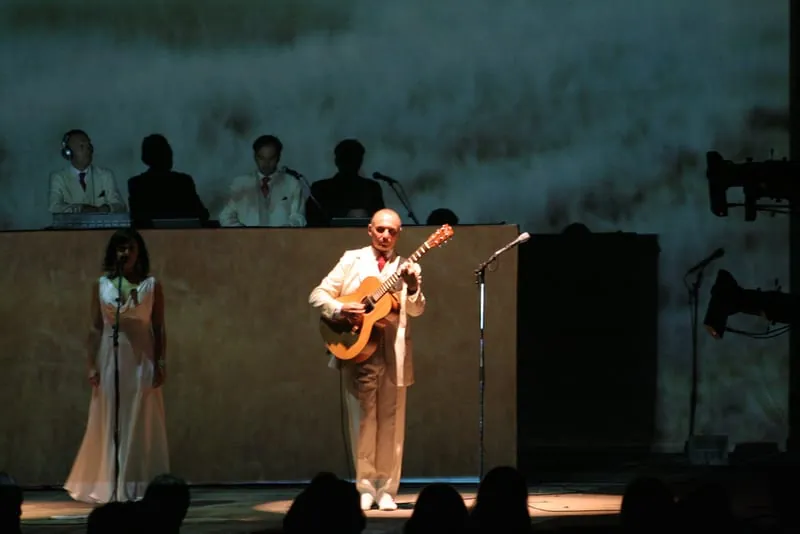
Gotan Project (founded 1999) is a Parisian trio that brought tango to a new global audience by fusing it with electronic music. The group consists of French producer Philippe Cohen Solal, Swiss producer Christoph H. Müller, and Argentine guitarist Eduardo Makaroff. Their name is a playful inversion of the word "tango," a type of slang called "vesre" common in the Buenos Aires region. Their 2001 debut album, *La Revancha del Tango*, was a worldwide success, establishing the genre of electrotango and taking the sounds of Buenos Aires from the dance halls to international clubs and lounges.
The sound of Gotan Project is a cinematic blend of traditional tango elements and modern electronic production. A dancer will immediately hear the foundational pulse of a dub or downtempo beat, a departure from the acoustic rhythm of a typical orquesta. Upon this electronic base, they layer the essential textures of tango: the melancholic sighs of the bandoneón, often played by Nini Flores, the sweep of strings arranged by Piazzolla collaborator Gustavo Beytelmann, and the distinct strumming of Makaroff's guitar. The result is a sound that is atmospheric and rhythmically steady, more suited to listening or alternative dancing than the complex, syncopated drive of traditional dance orchestras.
The group's most distinctive voice is that of Spanish singer Cristina Vilallonga, who is featured on the majority of their early and most famous tracks. Her vocals, as heard on recordings like the sultry "Época" and the Astor Piazzolla cover "Vuelvo al Sur," add a layer of passionate, sometimes haunting, melody over the electronic soundscapes. Her delivery mixes the drama of tango with a contemporary, almost classical, coolness, defining the vocal character of the band's first two albums. On later work, such as "Mi Confesión" from their 2006 album *Lunático*, they collaborated with other artists, including the hip-hop group Koxmoz, further expanding their fusionist approach.
At milongas today, Gotan Project is used sparingly and with specific intention. Their music is almost never played in traditional tandas, as the consistent electronic beat and non-traditional structure don't align with the flow and cadence of golden-age tango. Instead, DJs use their tracks as stylish cortinas or as standout pieces in an "alternative" or "nuevo" tanda, designed to shift the energy on the floor. The single most recognizable track a DJ will reach for is "Santa María (del Buen Ayre)," a piece that has transcended the tango world to become a globally recognized lounge classic.
Narcotango
Narcotango (founded 2003) is the pioneering electrotango project of Argentine musician, composer, and bandoneonist Carlos Libedinsky (born 1961). Libedinsky came to tango as a dancer himself in 2000, after a career that had already spanned rock, blues, and early music. This experience on the dance floor, witnessing a new generation of dancers in the milongas of Buenos Aires, inspired him to create a bridge between traditional tango and the electronic soundscape of the 21st century. He conceived of the first album, released in 2003, for the late hours of the milonga, when just a few dedicated couples remain, blending the intensity of tango with the atmospheric textures of trip-hop and house music. This release helped define the sound of a new movement, quickly finding its place in the contemporary urban soundtrack of Buenos Aires and beyond.
A dancer hearing Narcotango for the first time immediately notices the fusion of worlds. The foundational pulse is often an electronic beat — steady, hypnotic, and clear — but it's woven through with the classic soul of tango. Libedinsky's bandoneón breathes and sighs with traditional phrasing and melancholy, while electric guitars can add a rock-inflected edge and keyboards provide cinematic textures. Unlike the complex rhythmic drive of Pugliese or the sharp staccato of D'Arienzo, Narcotango builds a smooth, flowing groove. The tempo is generally steady, creating a continuous soundscape that invites a different kind of connection, one based on circular movements and a constant, fluid embrace, making it a cornerstone of the tango nuevo dance style.
The recordings from the group's formative years are built around a core instrumental lineup. The 2003 debut *Narcotango* and its 2006 follow-up feature Libedinsky on bandoneón and programming, alongside key collaborators who shaped the group's sound: Fernando del Castillo on drums and percussion, Marcelo Toth on guitar, and Mariano Castro on keyboards. This library's selections are drawn from these first two definitive albums. From the debut, tracks like the propulsive 'Vi Luz y Subí' and the atmospheric 'Otra Luna' became instant standards for the alternative tango scene. The second album contributed enduring floor-fillers like the dramatic 'Esa' and the driving 'Dos', cementing the ensemble's reputation for creating music that was both innovative and deeply danceable.
At milongas today, Narcotango is a staple of the "alternative tanda," a set of non-traditional music that offers a break from the golden age orchestras. A DJ will play Narcotango to shift the energy on the floor, inviting a more modern, fluid, and introspective style of dance. It’s the music that encourages dancers to explore the spaces between the classic steps, to play with the embrace and the connection in a new way. For many dancers, hearing the opening notes of 'Vi Luz y Subí' or the unmistakable groove of 'Otra Luna' is a welcome signal that the night is taking a turn towards the contemporary, a deep embrace between tango's tradition and its electronic future.
Otros Aires
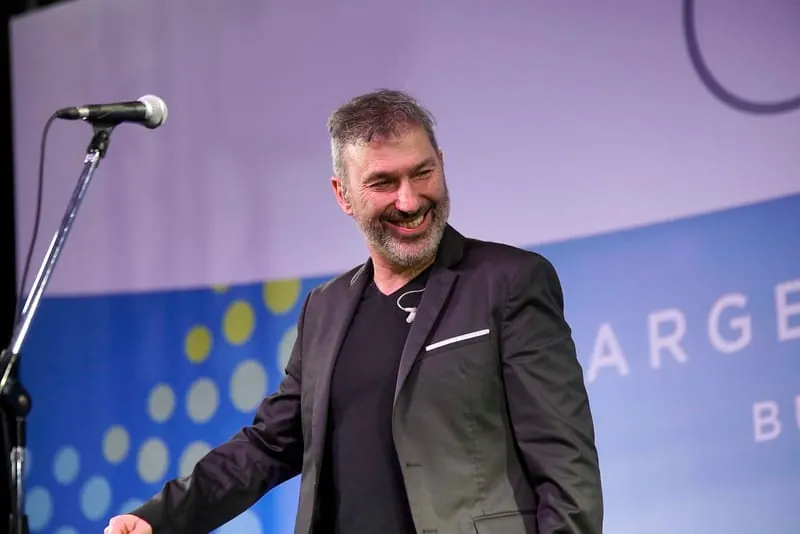
Otros Aires (founded 2003) was formed in Barcelona by the Argentine musician and architect Miguel Di Genova. The project began as an audiovisual exploration, with Di Genova initially collaborating with Catalan musicians before the group solidified its lineup and sound back in Buenos Aires. Otros Aires self-describes its style as "archaeological-electronic tango," a fitting label for a project that was born from a desire to connect the sounds of the early 20th century with contemporary electronic music. Their first album was released on Tango Day, December 11, 2004, at the Carlos Gardel House Museum, signaling a deep respect for the roots they were reimagining.
The sound of Otros Aires is a direct conversation between past and present. The group's defining method is to build modern electronic soundscapes around samples from the Guardia Vieja and Golden Age recordings. Rather than simply adding a tango flavor to a beat, they place historical voices and orchestral fragments at the very center of the track. This creates a unique texture where the crackle of a vintage record might sit alongside a driving electronic rhythm and live bandoneón. In tracks like "Sin Rumbo," the group samples the 1936 Orquesta de Juan D'Arienzo, while "Milonga Sentimental" reworks the iconic 1929 recording by Carlos Gardel, creating a bridge between eras that is both intellectual and intensely danceable.
The primary voice of the group is its founder, Miguel Di Genova, who provides vocals, guitar, and programming across the recordings. His delivery is often a rhythmic, almost spoken-word counterpoint to the historical samples he employs. This is evident in tracks like "Barrio de Tango" and "Rotos en el Raval." The most notable collaborator, however, is Carlos Gardel himself, whose sampled voice anchors "Milonga Sentimental," creating a posthumous duet that has become one of the band's most recognized works. The lineup is a fluid collective of collaborators, but Di Genova's artistic direction remains the constant.
At milongas today, Otros Aires is a cornerstone of the neotango and tango nuevo scene. Their music offers a perfect entry point for dancers accustomed to traditional tango, as the familiar melodies and voices of the golden age provide a clear, grounding rhythm within the electronic arrangement. DJs frequently use their tracks to shift the energy on the floor or to create dedicated alternative tandas. For many dancers, tracks like "Sin Rumbo," "Milonga Sentimental," and the energetic "La Yumba" are gateways to exploring the world of tango beyond the traditional canon.
San Telmo Lounge
San Telmo Lounge (founded 2001) was formed in Buenos Aires by guitarist, composer, and producer Martín Delgado. After studying music in New York, Delgado returned to Argentina with the goal of fusing electronic music, jazz, and tango. The project took its initial shape in 2002 when Delgado partnered with electronic music producer Juan Manuel Aguirre. By 2003, the group solidified into a quartet with the addition of Pablo Gaitán on bandoneón, Lucas Polichiso on keyboards, and Maximiliano Natalutti on violin, a lineup that would define their sound for years. The name itself evokes the historic, tango-infused barrio of San Telmo, while "Lounge" points to the electronic and jazz sensibilities that set them apart from their contemporaries.
The sound of San Telmo Lounge is a sophisticated blend of live acoustic instruments layered over electronic sequences and chill-out beats. A listener immediately recognizes the interplay between Delgado's jazz-inflected guitar and the essential melancholy of the bandoneón, with violin providing melodic lines that float over programmed rhythms. Unlike the more percussive and intense drive of contemporaries like Gotan Project, San Telmo Lounge often favors a smoother, more atmospheric approach. Their music creates a refined, urban soundscape that is both modern and deeply rooted in tango's melodic traditions, as heard in tracks like the mellow and atmospheric "Cool Tango" or the rhythmically layered "Viaje Secreto".
While the library's collection focuses on their instrumental work from 2007, San Telmo Lounge has collaborated with vocalists on various projects. Their 2007 album, *Electrocardiotango*, which features all the titles in this collection, was a largely instrumental effort that garnered a Gardel Award nomination. This album showcases the core quartet's synergy, with tracks like the driving "Plano 16" and the evocative "Rosario - Retiro" highlighting their compositional and arrangement skills. Even without a standing vocalist, the pieces often have a strong narrative quality, from the smoldering energy of "A Fuego Lento" to the wistful melodies of "Nostalgias del Boulevard".
At milongas today, San Telmo Lounge is a staple for DJs curating alternative or "nuevo" tango sets. Their music provides a bridge between traditional tango and more contemporary electronic sounds, often used early in the evening to ease dancers onto the floor or later as a relaxed, atmospheric tanda. The mid-tempo groove and clear, danceable structure of tracks like "Amor y Devoción" and "Barderita" make them accessible for dancers exploring a more modern vocabulary of movement. A DJ might program a set of their work to offer a moment of cool sophistication and playful musicality, distinct from the high drama of golden-age orchestras.
Tanghetto
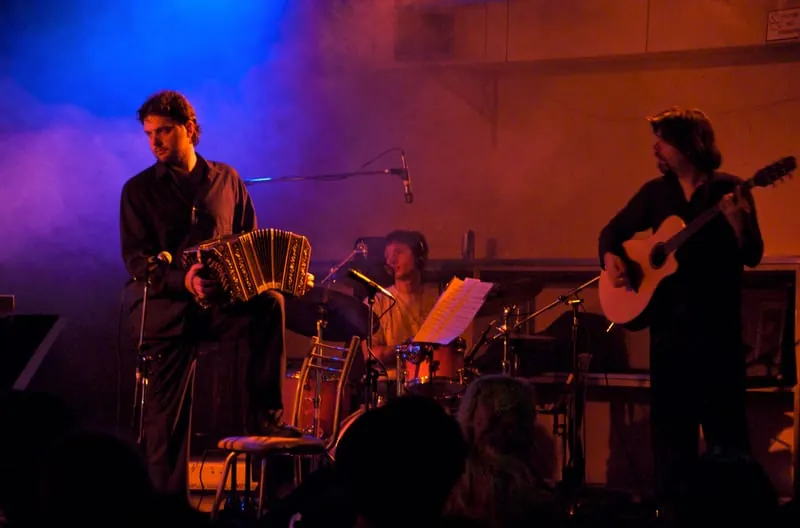
Tanghetto (founded 2002) is a Buenos Aires-based ensemble led by producer and composer Max Masri. The project grew out of Masri's studio experiments in the late 1990s and formally took shape when he was joined by guitarist and composer Diego S. Velázquez. Their name, a blend of "tango" and "ghetto," reflects their mission to fuse the traditional sound of Buenos Aires with modern electronic music. The group's 2003 debut, *Emigrante (electrotango)*, was a direct response to the 2001 Argentine economic crisis and the subsequent wave of emigration, earning a Latin Grammy nomination and eventually reaching double platinum status in Argentina.
A Tanghetto track immediately announces itself with a blend of acoustic and electronic textures. The sound is built on a foundation of synthesizers and programmed beats, but the essential elements of tango—the melancholic melody of the bandoneón, the sharp articulation of the piano, and the strum of a guitar—remain at the forefront. This fusion creates a propulsive, layered sound that distinguishes them from both golden-age orchestras and other electrotango groups like Gotan Project. Their arrangements often feature complex rhythms and shifting dynamics, making them a favorite for dancers who enjoy a contemporary, challenging feel on the floor.
While the library here is instrumental, Tanghetto's work from this period showcases the core of their innovative sound. The tracks from their debut album, such as the atmospheric "Alexanderplatz Tango," the driving "El Boulevard," and the anthem-like "Inmigrante," define the electrotango genre they helped pioneer. Their 2004 side project, Hybrid Tango, which included the track "Barrio Sur," expanded their palette by incorporating world music influences like candombe and jazz. Later work, like their inventive cover of "Englishman in New York," demonstrates their continued interest in bridging different musical worlds, a practice that has become a hallmark of their long career.
At milongas today, Tanghetto is a staple of the "tango nuevo" or alternative tanda. A DJ will typically play their music later in the evening, offering a shift in energy from the more traditional sets. Tracks like "Inmigrante" or "Biorritmo" are guaranteed to fill the floor with dancers ready for a more modern, electronic interpretation of tango. Their music provides a space for a different kind of connection and expression, perfect for a moment when the milonga is ready to explore the contemporary edges of the dance.
Tango Crash
Tango Crash (founded 2002) is a project driven by the creative partnership of two Argentine musicians, Daniel Almada and Martín Iannaccone. The pair began experimenting with electronic music and fusion in Buenos Aires as early as 1987, but the group truly took shape in 2002 after both had relocated to Europe. Living in different cities—Almada in Switzerland and Iannaccone in Germany—they used the internet to bridge the geographical gap and reignite their collaboration, this time with tango as the foundational element. Their self-titled debut album appeared in 2003, establishing them as pioneers in the burgeoning electronic tango scene and earning praise from figures like jazz keyboardist Joe Zawinul for their completely original approach to the music.
The sound of Tango Crash is a deliberate departure from the orquesta típica, weaving together the melancholy of tango with the improvisational freedom of jazz and the cool, calculated textures of contemporary electronics. Rather than simply adding a drum machine to a tango standard, the group builds complex soundscapes where piano, cello, and bandoneón coexist with programmed beats, samples, and atmospheric synths. Their reworkings of classics like "El Choclo" maintain a recognizable melodic core but are filtered through a modern, urban lens that feels more suited to a lounge or concert hall than a traditional dance floor. The result is a darker, more experimental sound, often compared to groups like Gotan Project but with a distinct emphasis on jazz harmony and instrumental exploration.
The ensemble's lineup has evolved around the core of Almada (piano, programming) and Iannaccone (cello, electric bass), featuring a rotating cast of accomplished collaborators. The recordings from the mid-2000s, such as those on the album "Otra Sanata," feature a core group that often included Christian Gerber on bandoneón and Gregor Hilbe on drums and electronics. Their 2008 album, "Bailá, Querida," which won an award from the German Record Critics, features vocalist Nicolás Nobili on the title track. His contribution aligns with the group's broader vision of treating the voice as another texture in their intricate arrangements, as heard on tracks like "Bailá Querida" and the propulsive "La Cumpadesky."
At milongas today, Tango Crash is almost exclusively the domain of the alternative tanda or the after-party. Their music is a clear statement that tango is more than just dance music, and its complex rhythms, shifting textures, and jazz-inflected improvisations make it a challenging fit for traditional social dancing. DJs who program neotango or tango nuevo might select a track like "Ojos Negros" for its steady electronic pulse or the more atmospheric "Balbón" for a cortina with a modern edge. However, the primary role of Tango Crash is for listening—it's music that pushes the boundaries of the genre, rewarding close attention with its creativity and depth.
Trio Garufa
Trio Garufa (founded 2001) is a San Francisco-based international ensemble dedicated to authentic Argentine tango music. The group was formed when Argentine guitarist Guillermo García was asked to provide live music for a local milonga. He teamed up with Swiss-born Adrian Jost on bandoneon and a string of bassists, with Sascha Jacobsen from California solidifying the lineup in 2005. The name comes from a Lunfardo term for a party animal or a spree, reflecting the fun, upbeat spirit of their music. They quickly became a fixture in the Bay Area tango scene and are notable for being one of the only US-based ensembles to have performed extensively in the milongas of Buenos Aires.
The sound of Trio Garufa is energetic and virtuosic, yet always rooted in the dance. Their tight, rhythmic arrangements for guitar, bandoneon, and string bass can produce a sound as full and driving as a large orchestra. One anecdote tells of a DJ in Buenos Aires rushing to his laptop, thinking he'd left a D'Arienzo recording playing, only to find it was the live trio. While they draw heavily from the golden age, their influences also include modern masters like Astor Piazzolla and Horacio Salgán, and they even venture into electro-tango. The result is a sound that feels both classic and contemporary, powerful enough for a concert hall but made for the dance floor.
As an instrumental group, the interplay between the three musicians is the central focus. The library's selections span their first decade, showcasing their evolving chemistry and repertoire. Early recordings like "Campo Afuera" and "Desde el Alma" from their 2004 debut album, *Tango en el Mate*, capture their fresh, danceable approach to classic tangos, valses, and milongas. By 2008's *La Segunda Tradición*, documented on tracks like the driving "Danzarín" and the lyrical vals "Quiero Ser Tu Sombra," the trio's signature powerful and polished sound is fully formed. The inclusion of later pieces like "El Torito" (2012) shows their continued dedication to crisp, exciting interpretations of the classics.
At milongas today, Trio Garufa provides a burst of high-energy, impeccably danceable music. Their sound has the drive and clarity that dancers love, making them a great fit for the middle of the evening when the energy is high. A DJ might play a tanda of their milongas, like "Milonga de Mis Amores," to get the floor moving with speed and precision. For a powerful tango set, a track like "Paciencia" delivers the rhythmic punch of the golden age masters but with a clean, modern recording quality that fills the room.
Top songs
- Barderita
- Cool Tango
- Nostalgias del Boulevard
- Plano 16
- Amor y Devoción