Tanturi
1937–1946
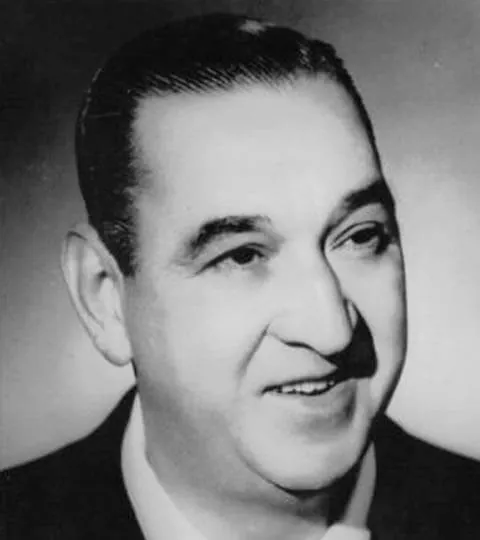
Ricardo Tanturi
Ricardo Tanturi (1905–1956) was born in Buenos Aires and trained as a pianist at the Williams Conservatory. Remarkably, he balanced his early musical career with university studies and graduated as a medical doctor. He played in various ensembles through the late 1920s and early 1930s before forming his own orchestra in 1937, beginning with instrumental recordings for the Odeon label that established a crisp, compact orchestral sound. But the orchestra's fortunes changed dramatically in 1941 with the arrival of a young, unknown singer named Alberto Castillo (who, coincidentally, was also a medical doctor) — a partnership that would produce some of the most thrilling vocal tangos ever recorded.
Tanturi's orchestral style is clean, rhythmically precise, and remarkably adaptable to its vocalist. The arrangements are compact and economical — no excess ornamentation, no dramatic showmanship — just a tight, well-balanced ensemble that provides an ideal framework for singing. Unlike Di Sarli's lush string-driven elegance or D'Arienzo's driving staccato assault, Tanturi's approach is more understated: the rhythm is steady and clear, the tempos moderate, and the overall character warm and inviting. His orchestra doesn't impose a singular personality on the music the way Pugliese or Biagi do; instead, it shapes itself around each singer, and this chameleon quality explains why two very different vocalists each produced their finest work with Tanturi.
The partnership with Alberto Castillo from 1941 to 1943 was explosive. Castillo's voice — powerful, theatrical, with a distinctive nasal timbre and an almost reckless emotional intensity — was unlike anything tango had heard. His delivery on "Muñeca Brava," "Madame Ivonne," and "Esta Noche Me Emborracho" is electrifying, full of dramatic pauses and vocal flourishes that turned each song into a performance event. The instrumentals from this early period, including "Argañaraz," "Comparsa Criolla," and "Mariposita," showcase the orchestra's own punchy, rhythmic identity. When Castillo departed to lead his own enormously successful career, Enrique Campos arrived in 1943 and brought an entirely different aesthetic — smooth, tender, intimately romantic — producing equally beloved recordings like "Oigo Tu Voz," "Así Se Canta," and the unforgettable "Qué Nunca Me Falte." Roberto Videla appeared briefly alongside Campos in the mid-1940s, and their duet "Tu Vieja Ventana" remains a cherished rarity.
At milongas today, Tanturi is one of the most beloved and frequently programmed orchestras worldwide. DJs treasure the ability to draw from two completely different vocal eras that serve opposite moods: Castillo tandas bring drama, energy, and theatrical excitement; Campos tandas bring romantic warmth and tender intimacy. The instrumental recordings are prized for their rhythmic clarity and danceability. Tanturi's clean, accessible beat makes his music welcoming for dancers at all levels, while the emotional range across his two great vocal periods gives DJs extraordinary flexibility in shaping the evening's arc. "Pocas Palabras," "Recuerdo," and "Mozo Guapo" remain dancefloor staples that can ignite a milonga at any hour.
Top songs
- Madame Ivonne
- Noches de Colón
- Que Nunca Me Falte
- Pocas Palabras
- Argañaraz