Basso
1955–1962
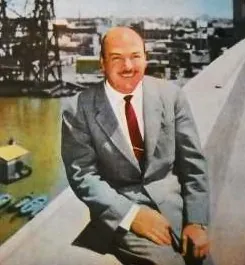
José Basso
José Basso (1919–1993) was a pianist and orchestra leader whose career bridged the golden age and the decades that followed. Born José Hipólito Basso in Pergamino, a city west of Buenos Aires, he started his professional journey as a teenager. His most formative years were spent on the piano bench for the great Aníbal Troilo from 1943 to 1947, a period during which he contributed to 88 recordings. In 1947, Basso stepped out to form his own orchestra, assembling top-tier musicians and quickly establishing a sound that would carry him through more than four decades of continuous work, a testament to his stamina and deep connection to the music.
The sound of José Basso's orchestra is anchored by his own powerful, rhythmic piano playing, a style honed during his time with Troilo. The orchestra delivers a full, rich sound with a strong, danceable beat that, especially in the 1950s, feels squarely aimed at the ballroom floor. While it possesses the drive of a rhythm-focused orchestra, it avoids the hard-charging intensity of D'Arienzo, instead offering a more melodic and elaborate phrasing. The interplay between the bandoneons and strings is polished and elegant, creating a sound that is both robust enough for energetic walking and nuanced enough for more intricate figures, making it a reliable and satisfying choice for dancers.
The orchestra's recordings from the mid-1950s and early 1960s are beautifully defined by the voice of Floreal Ruiz, known affectionately as "El Tata." Their collaboration produced dozens of recordings that showcase a perfect synergy between singer and orchestra. Ruiz’s masterful phrasing and warm, expressive tone are on full display in romantic tracks like "Bailemos" and the yearning "Y Todavía Te Quiero." In more dramatic pieces such as "Por la Vuelta" and the classic "El Motivo," Ruiz navigates the emotional landscape with a subtlety that never overwhelms the music, creating interpretations that feel both personal and timeless.
At milongas today, a tanda of José Basso is a welcome sound, particularly in the later hours of the evening when dancers are ready for something rhythmically solid yet emotionally rich. His music from the 1950s, especially with Floreal Ruiz, offers a wonderful alternative to the more frequently played orchestras of the 1940s. DJs often turn to Basso for his impeccable musicality and drive. A track like the instrumental "Ahí Va el Dulce" can lift the energy of the room, while a vocal piece like "Amurado" provides a perfect vehicle for expressive, connected dancing.
Top songs
- Ahí Va el Dulce
- Por la Vuelta
- Y Todavía Te Quiero
- Bailemos
- El Motivo